
How creators can launch their own skincare line, fast
If your audience already asks what you use, you are most of the way to a skincare brand. The fastest route is not a lab. It is your name on formulas that are already made and tested. Here are the five steps, an example first range, and the rules to respect so the launch helps your reputation rather than risking it.
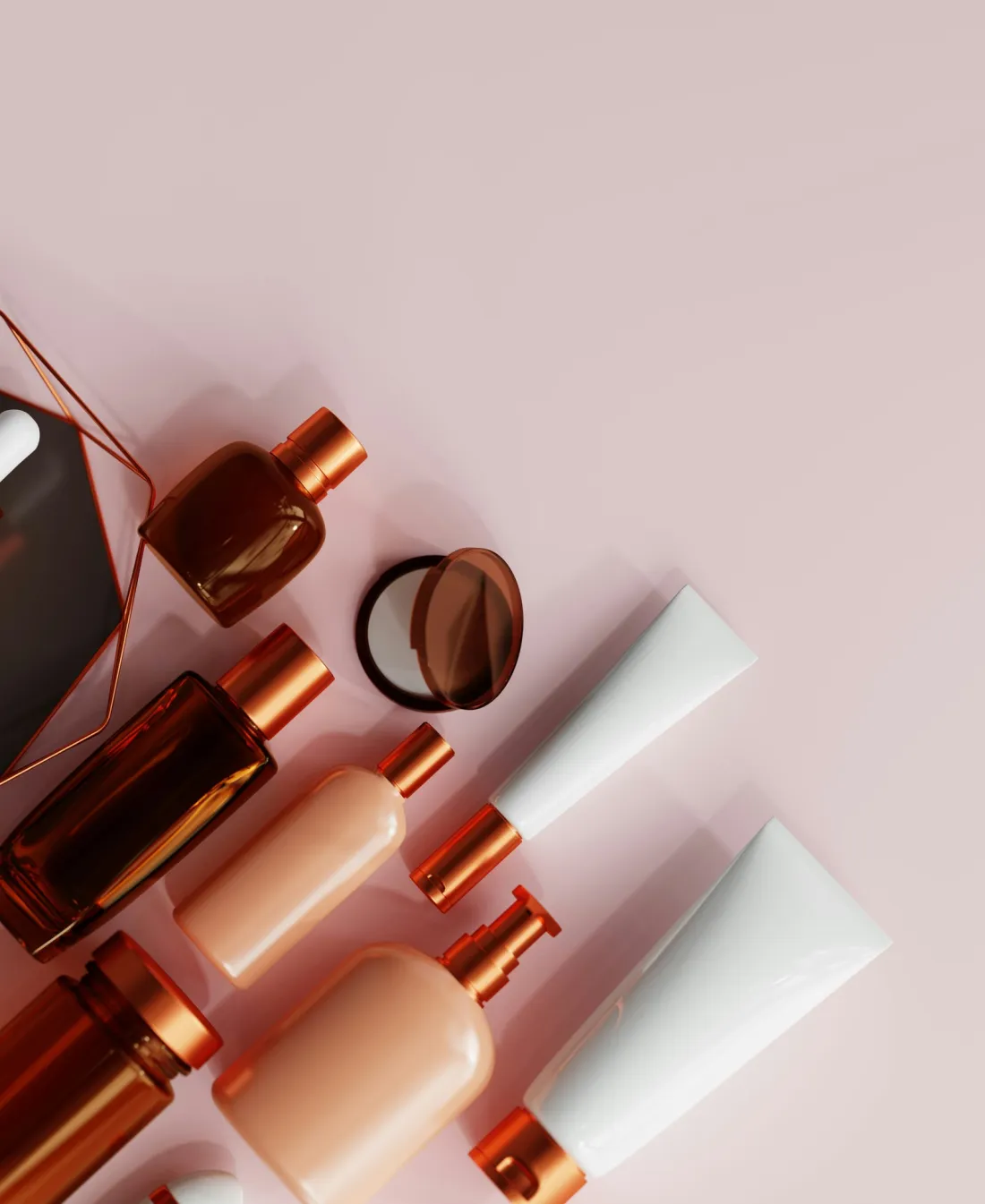
Every skincare creator eventually reads the same comment: "Do you have your own products?" Turning that question into a product used to mean finding a chemist, paying for months of development and testing, sourcing packaging and meeting a factory's minimums. Most creators who launch quickly skip all of that by starting with ready-made formulas and putting their own brand on them. In the industry this is called white label or private label skincare.
Why creators start with ready-made formulas
A new formula has to be developed, then tested for stability (does it stay the same on a shelf and in a hot car) and for preservative efficacy (does it stay safe once it is opened), then trialled in production. The preservative challenge test alone runs about four weeks under the ISO 11930 standard, and the whole process takes months before the first unit is sold. A ready-made formula has already been through it.
For a creator, that changes the risk. You are not betting your name on an untested product, and your money goes into the parts your audience actually sees: the brand, the label and the launch. You can add a custom formula later, once you know what your audience buys. See three ways to start for how the routes compare.
The five steps from creator to skincare brand
- Define your brand. Start from what your audience already asks you about. Pick a brand name you can own, and check it against business names (ASIC) and trade marks (IP Australia) before you pay a designer. See step 1.
- Choose ready-made formulas. Two or three products you would genuinely use is enough for a first launch. Browse the formula range by routine step.
- Pick your packaging route. Most creators choose white label: your printed label on the formula's standard container. Plain packaging suits you if you already have labels designed and printed.
- Get your label right. Design it in our label studio. Keep the claims cosmetic, and approve the label proof before anything is printed.
- Order, launch and restock. Pay the invoice, we make and deliver the order, and you launch to your audience. Reorder as you sell.
An example first range
Say you make videos about hydration and calm, comfortable skin, and your comments are full of people with dry or sensitised skin. A tight first range of three formulas covers a whole routine your audience can follow:
| Formula | Where it sits | Why it suits this audience |
|---|---|---|
| Barrier Cleanser | Step 1, cleanse | A cleanser for all skin types: the product everyone needs. |
| Hydrate+B3 | Step 3, serum | Hyaluronic acid, niacinamide and ceramides: the hydration product your content is about. |
| Barrier Treatment | Step 7, recovery | A soothing recovery cream to finish the routine. |
Three products give you a routine to film, a bundle to sell, and room to add a Vitamin C 20% day cream or a Retinol 0.5% serum later. Starting small also keeps your first order manageable while you learn what sells.
The rules creators need to respect
Your audience trusts you, and Australian law protects that trust. None of this is complicated, but it is easier to get right before launch than after. This is a starting point, not legal advice.
- Say it is your brand, every time. In its 2023 sweep of social media, the ACCC listed not disclosing that an influencer owns a brand as a problem, and called labels like "sp", "collab" and "ambassador" unclear. Make it obvious in the post or video itself, not buried in hashtags. ACCC findings
- Keep claims cosmetic. Skincare can hydrate, cleanse, soften and improve the look of skin. Claims to treat a condition such as acne, rosacea or eczema can make a product a therapeutic good regulated by the TGA, and that includes what you say in videos. TGA guidance
- Be careful with SPF. Sunscreens, and moisturisers with an SPF over 15, are therapeutic goods. Talk to us before you plan a product with an SPF.
- Your name on the label makes you responsible. Under Australian Consumer Law, a business that puts its brand on a product can be treated as its manufacturer if it is unsafe. That is a good reason to start with tested formulas, and to consider product liability insurance.
- Get the label basics right. Your label must list the ingredients and show the net quantity and your business name and street address. We give you the formula details and check your label proof.
- Set up the business side. An ABN, a registered business name if you trade under a brand name, and a trade mark search before you fall in love with the name.
Launching to your audience
Your content is your advantage. Bring your audience into the process: why you chose each formula, the label design, the first delivery. Show the routine in use and answer questions honestly, including what the products are not for. Then make reordering easy, because a skincare brand grows on repeat customers, not on launch day.
If you would rather not pack and post orders yourself, ask us about direct-to-customer fulfilment.
Put your name on a formula: design your label in the studio and we send a proof and an invoice. Nothing is made until you approve it.