
How clinics and practitioners launch their own skincare range
Your patients already ask what to use at home after a treatment. A clinic range under your own name answers that question with products you chose and trust. Here is how practitioners launch one quickly with ready-made formulas, a real example from our founder, an example clinic plan, and the rules registered practitioners follow.
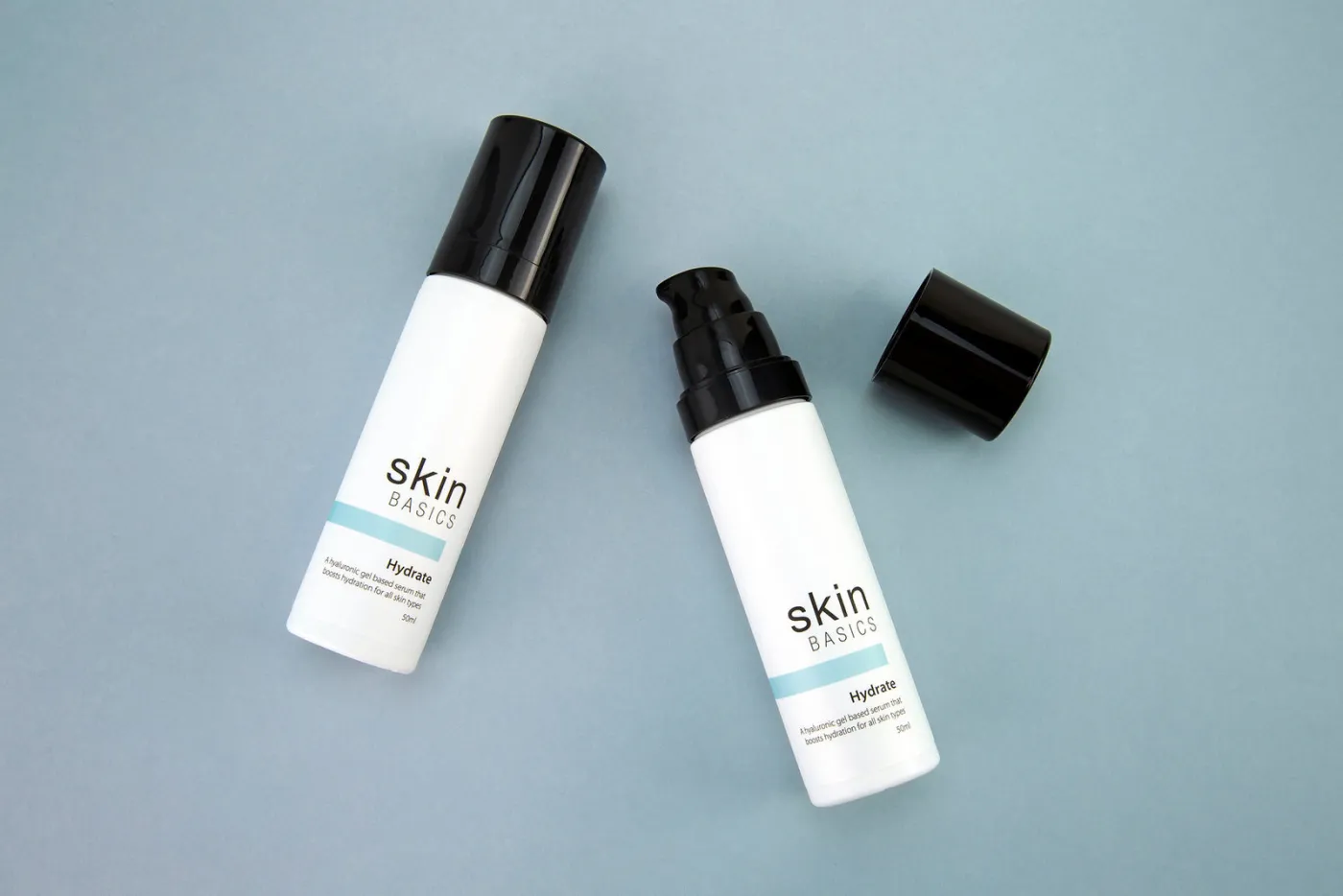
Most practitioners recommend skincare every day: what to use before a peel, what to put on after a treatment, what to do between appointments. When those products carry another company's name, the recommendation builds someone else's brand. A clinic range puts your name on the bottle your patient takes home, and lets you choose formulas that match your treatments.
A real example: how our founder launched her own range
Skin+ Labs' founder, Elizabeth Giuliano, is a cosmetic dermatology nurse registered with AHPRA, with more than 30 years in the Australian health and beauty industry. She trained in cosmetic chemistry and skincare formulation and is a member of the Australian Society of Cosmetic Chemists.
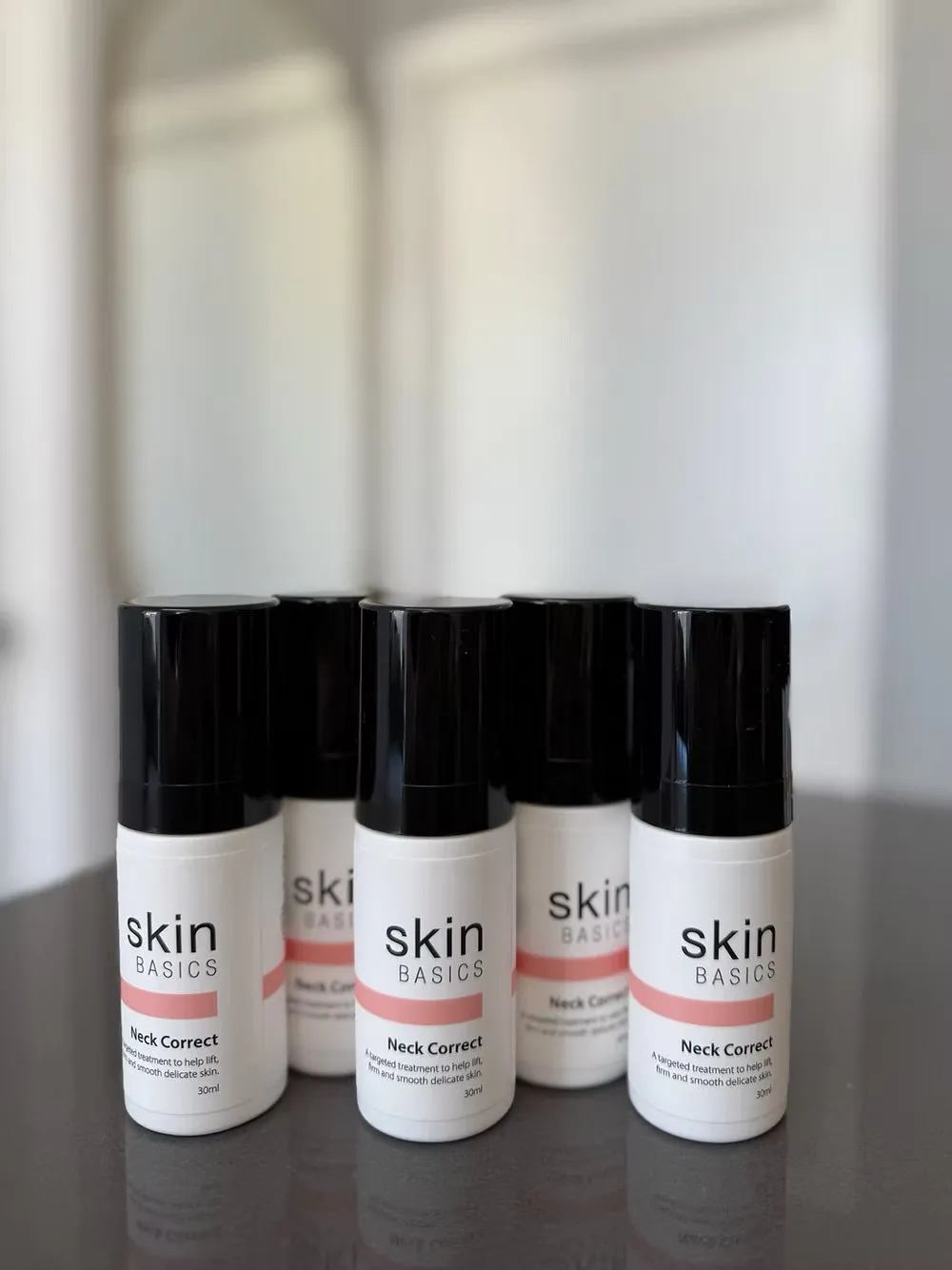
She launched her own skincare brand, Elixalife, and its formulas are the ones you see in our product photos. Skin+ Labs now offers those formulas to other practitioners, so a clinic can start where she finished: with formulas that are already developed, tested and in production. Hydrate+B3, for example, carries directions for use after an in-clinic skin treatment.
Why practitioners start with ready-made formulas
- Your time stays with patients. You choose formulas and approve a label proof; you do not run product development.
- The formulas are already tested. A new formula needs stability testing and a preservative challenge test (about four weeks on its own) before it can be sold. A ready-made formula has done that work.
- You can start small. A handful of formulas that match your treatments, then add to the range as patients reorder.
- It stays consistent. The same formula in every bottle, made in GMP-certified, ISO-accredited facilities, with quality control on every batch.
An example clinic plan
Take a clinic that offers skin needling, peels and injectables. Its patients need a simple home routine before and after treatment. A first range of five formulas could cover it:
| Formula | Where it fits | Note |
|---|---|---|
| Barrier Cleanser | Every patient, morning and night | A cleanser for all skin types. |
| Hydrate+B3 | After treatment, then daily | Directions include use after an in-clinic skin treatment. |
| Barrier Treatment | Recovery | A soothing recovery cream. |
| Vitamin C 20% | Maintenance, mornings | A liposomal day cream for ageing, firming and brightening concerns. |
| Retinol 0.5% | Maintenance, nights | Not for use during pregnancy or breastfeeding; daily sunscreen needed. |
The range follows the treatment journey the clinic already explains to patients, so recommending it is part of the consult rather than a sales pitch. More formulas, from exfoliants to body care, can follow.
The five steps for a clinic
- Define your range. List the products you recommend most, by treatment. Your clinic name is usually the brand.
- Choose ready-made formulas. Match formulas to your treatments from the range, by routine step.
- Pick your packaging route. White label puts your printed label on each formula. Plain packaging suits clinics with their own labels already printed.
- Get your label right. Design it in our label studio, keep the claims cosmetic, and approve the label proof.
- Order, stock and restock. Pay the invoice, we make and deliver, and you stock your rooms and front desk. Apply for a trade account to order as a clinic.
Rules registered practitioners follow
Registered practitioners have more rules to follow than most brand owners, because their professional codes cover what they sell as well as what they treat. This is a starting point, not legal advice; check the guidance from your National Board and your insurer.
- Declare your interest. The Medical Board's Code of Conduct asks doctors to declare their professional and financial interest in any product they endorse or sell, and not to make an unjustifiable profit from it. Tell patients the range is your clinic's own. Code of Conduct
- Cosmetic procedure guidelines apply to nurses too. Since 2 September 2025, Ahpra's guidelines for non-surgical cosmetic procedures apply to every registered practitioner who performs them, including nurses. They cover financial interests and ban offering extra products or services as an incentive for a procedure, so check before bundling skincare with treatments. Ahpra
- Advertising and testimonials. Advertising a regulated health service must not use testimonials about its clinical aspects or create unreasonable expectations. Plan any marketing that ties the range to your treatments with that in mind. Ahpra advertising guidelines
- Keep claims cosmetic. Claims to treat a condition such as acne, rosacea or pigmentation can make a product a therapeutic good regulated by the TGA. Your range cares for the look and feel of skin; your treatments are a separate service.
- Check your insurance. A practitioner's indemnity policy may not cover supplying products, and a business that sells products under its own name can be treated as their manufacturer under Australian Consumer Law. Ask your insurer about product liability cover.
- Dermal and beauty therapists. Unless you are also registered (for example as a nurse), Ahpra's rules do not apply to you, but Australian Consumer Law and the TGA's rules on claims still do.
Open a trade account to order for your clinic, or design your label first and send it to us as a proof request.